
Austin Attic Ventilation Contractors
Trust!
Get Your Free Austin Attic Ventilation Proposal & Consultation
Austin Attic Ventilation Services
Your roof is more than shingles. It's a system, and attic ventilation is one of the most critical parts of that system. Without proper airflow, heat and moisture build up in your attic, damaging your roof from the inside out, reducing insulation effectiveness, and driving up energy costs. Next-Door Contractors installs and repairs attic ventilation systems throughout Austin, TX to help homeowners protect their roofs and lower their energy bills.
An estimated 9 out of 10 homes have inadequate attic ventilation. Most Austin homeowners don't realize there's a problem until damage has already occurred. We believe in educating homeowners so they understand what's happening in their attic and why it matters. Proper ventilation extends roof life, improves comfort, and saves money. It's one of the smartest investments you can make for your Austin, TX home.
Why Attic Ventilation Matters in Austin
During Texas summers, attic temperatures in poorly ventilated homes can exceed 150 to 160 degrees. That extreme heat doesn't just stay in the attic. It radiates down into your living space, forces your air conditioning to work overtime, and bakes your roofing materials from underneath. Shingles designed to last 25 years can fail in 15 when they're cooking from both sides.
Moisture creates equally serious problems. Showers, cooking, laundry, and even breathing add humidity to your Austin home. That moisture rises and can accumulate in your attic if there's no way for it to escape. Trapped moisture condenses on framing and sheathing, soaks into insulation, and creates perfect conditions for mold, mildew, and wood rot. Austin, TX homeowners with poor ventilation often discover structural damage they never knew was developing.
Signs Your Austin Attic Has Ventilation Problems
Excessive Heat Upstairs. If your second floor is always hotter than the first floor during summer, your attic is probably trapping heat that should be venting out. Proper ventilation moves that hot air outside before it can radiate down into your Austin, TX living space.
High Cooling Bills. When your attic acts like an oven, your air conditioning fights an uphill battle. Austin homeowners with ventilation problems often see cooling costs drop noticeably after improving attic airflow.
Ice Dams in Winter. Ice buildup along roof edges during cold weather indicates heat escaping into the attic and melting snow from underneath. That melted snow refreezes at the cold roof edge, creating dams that can force water under your shingles. Proper ventilation keeps the roof deck cold and prevents ice dam formation.
Moisture or Mold in Attic. Visible moisture, condensation on surfaces, damp insulation, or mold growth all indicate ventilation problems in your Austin, TX attic. If you see any of these signs, you need to address ventilation before the damage gets worse.
Curling or Buckling Shingles. Shingles that curl, buckle, or age prematurely often indicate excessive attic heat. If your roof looks older than it should for its age, poor ventilation may be the cause.
Peeling Exterior Paint. Moisture escaping through walls and soffits can cause exterior paint to peel or blister on Austin homes. This is often traced back to attic moisture that can't escape through proper ventilation channels.
Rusty Nails or Hardware in Attic. Metal components in your attic shouldn't rust. If you see rust on nails, straps, or other hardware, moisture is accumulating where it shouldn't be. Your Austin, TX attic needs better ventilation.
How Attic Ventilation Works
Proper attic ventilation creates continuous airflow that moves heat and moisture out of the attic space. The system works on a simple principle: cool air enters low, warm air exits high.
Intake Vents. Located in the soffits or eaves at the lowest part of the roof, intake vents allow fresh outside air to enter the attic. As this cooler air enters, it pushes warmer air upward. Without adequate intake, exhaust vents can't do their job. Many Austin homes have blocked or insufficient soffit vents that restrict airflow from the start.
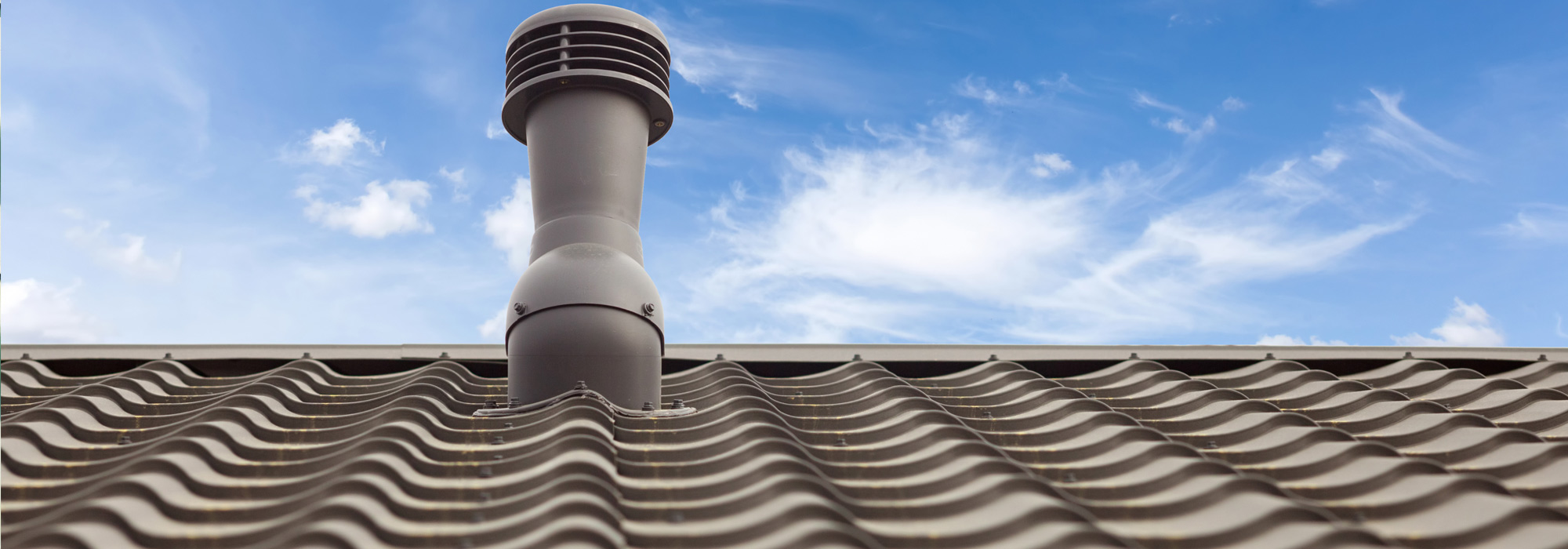
Exhaust Vents. Located at or near the roof ridge, exhaust vents let hot air and moisture escape. Ridge vents, box vents, turbine vents, and powered attic fans all serve this purpose. The key is having enough exhaust capacity to match your intake and move air continuously through your Austin, TX attic.
Balanced System. The FHA recommends 1 square foot of net free ventilation area for every 150 square feet of attic floor space, split evenly between intake and exhaust. Many Austin homes fall short of this standard or have imbalanced systems with too much exhaust and not enough intake, which actually creates problems instead of solving them.
Attic Ventilation Options for Austin Homes
Ridge Vents. Installed along the entire peak of the roof, ridge vents provide continuous exhaust along the highest point where hot air naturally collects. They're low profile, barely visible from the ground, and work without any moving parts or electricity. Ridge vents are the most effective exhaust option for most Austin, TX homes when paired with adequate soffit intake.
Soffit Vents. Installed in the soffit panels under your roof overhang, these vents provide the intake airflow that makes the whole system work. Continuous soffit vents offer more airflow than individual vents spaced along the soffit. We check soffit ventilation on every Austin roof we inspect because it's often the weak link in the system.
Box Vents. Also called static vents or louver vents, these are individual exhaust vents installed near the roof ridge. They work well when ridge vents aren't practical due to roof design. Multiple box vents can provide adequate exhaust for Austin, TX attics when properly sized and positioned.
Turbine Vents. Wind powered turbine vents spin in the breeze to actively pull air from the attic. They move more air than static vents when wind is present but rely on wind to work. Turbine vents can supplement other ventilation on Austin homes but shouldn't be the only exhaust source.
Powered Attic Fans. Electric or solar powered fans actively exhaust hot air from the attic. They're effective at moving large volumes of air quickly but add complexity and potential maintenance. Powered fans work best for Austin, TX homes where passive ventilation can't provide enough airflow due to roof design or other limitations.
Gable Vents. Located in the gable ends of the attic, these vents can serve as intake or exhaust depending on wind direction. They're common on older Austin homes but generally less effective than ridge and soffit systems. We often recommend supplementing gable vents with better ventilation options.
Our Austin Attic Ventilation Process
Inspection and Assessment. We start by inspecting your Austin, TX attic to evaluate current ventilation. We check soffit vents for blockages, assess exhaust capacity, look for signs of heat or moisture damage, and calculate whether your system meets recommended standards. You get an honest assessment of where your attic stands.
Recommendation and Quote. Based on the inspection, we recommend specific improvements to bring your Austin attic ventilation up to proper levels. You receive a detailed quote covering materials, installation, and expected benefits. We explain why we're recommending what we recommend so you can make an informed decision.
Professional Installation. Our crews install ventilation components according to manufacturer specifications and TX building codes. Whether we're adding ridge vents, clearing blocked soffits, or installing powered fans, we do the work correctly so your system performs as designed.
Verification. After installation, we verify that airflow is balanced and adequate throughout your Austin, TX attic. Your ventilation system is ready to protect your roof and improve your home's comfort and efficiency.
Ventilation and Roof Replacement in Austin
If you're getting a new roof, it's the perfect time to address attic ventilation. We can add ridge vents, improve soffit ventilation, and ensure proper airflow as part of your roofing project. Many Austin homeowners don't realize their ventilation is inadequate until we inspect during a roof replacement. Fixing ventilation during the roofing project costs less than addressing it separately and ensures your new roof gets the support it needs to last its full lifespan.
Get Your Free Austin Attic Ventilation Inspection
Not sure if your attic ventilation is adequate? Call us at 877-741-7180 to schedule a free inspection. We'll check your Austin, TX attic, assess current ventilation levels, look for signs of heat or moisture problems, and let you know if improvements are needed. If they are, you get a detailed quote. If your ventilation is already adequate, we'll tell you. Honest answers from a contractor who helps Austin homeowners protect their roofs and lower their energy costs.
Free Austin Attic Ventilation Proposalinfo@nextdoor.build
Monday 8:00 AM - 6:00 PM
Tuesday 8:00 AM - 6:00 PM
Wednesday 8:00 AM - 6:00 PM
Thursday 8:00 AM - 6:00 PM
Friday 8:00 AM - 6:00 PM
Saturday 8:00 AM - 6:00 PM
Sunday Closed
Neighbor Approved!